Salvage Motorcycles
Salvage Motorbikes | Damaged Motorcycles | Repairable Motorcycles & Scooters | Non Running Motorcycles | Spares Motorbikes
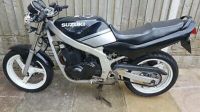

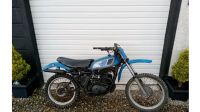
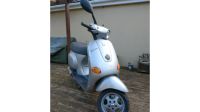

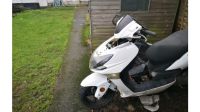
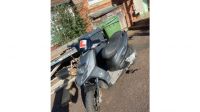
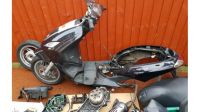
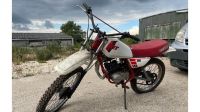
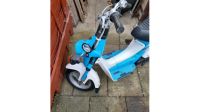
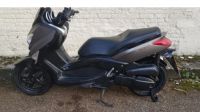
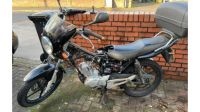
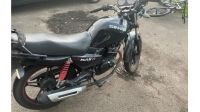
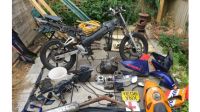

Selling a salvage motorcycle online requires detailed information and transparency to attract potential buyers and build trust. Whether you’re a private seller or a dealership, including the right details in your listing can make a significant difference. This guide outlines the most important things to include when listing a salvage motorcycle for sale on an online platform.
Understanding Salvage Motorcycles
Salvage motorcycles are bikes that have been damaged to the extent that the cost of repairs exceeds their market value, resulting in the insurance company declaring them a total loss. Despite this, they can often be repaired, rebuilt, or sold for parts. For buyers, salvage motorcycles offer opportunities to acquire bikes at lower prices, often with the potential for rebuilding or customization. Being transparent about the motorcycle’s condition and history is crucial to set realistic expectations for buyers.
Provide Comprehensive Motorcycle Information
Accurate and detailed information is key to a successful listing. Include the following details about the motorcycle:
- Make, Model, and Year: Start with the basics. List the motorcycle’s make, model, and year of manufacture to help buyers identify the bike and compare it with similar listings.
- Type of Damage: Be upfront about the nature and extent of the damage. For example, if the bike was involved in a collision, specify which parts are affected, such as the frame, engine, or fairings. If it's flood or fire damage, describe the areas impacted.
- Salvage Title Status: Clearly state the bike’s title status. Does it have a salvage title, a rebuilt title, or another classification? This information is crucial for buyers who need to know the legal status of the motorcycle and whether it can be registered and insured.
- Repair History or Needed Repairs: If any repairs have already been made, provide details. If repairs are still needed, list them so buyers know what work is required to get the motorcycle roadworthy again.
Why Invest in Salvage Motorcycles?
Photos are one of the most important aspects of your listing. They allow buyers to assess the condition of the motorcycle before deciding to reach out. Include multiple high-quality images that show:
- The motorcycle from all sides—front, rear, left, and right.
- Close-ups of any damaged areas, such as scratches, dents, or broken parts.
- The engine, wheels, and any accessories.
- The interior of the motorcycle, including the dashboard, handlebars, and seat condition.
Clear, detailed photos can significantly increase buyer interest by providing an honest representation of the motorcycle’s condition.
Share the Motorcycle’s History Report
Providing a vehicle history report is a valuable way to build trust with potential buyers. Services like CycleVIN or Carfax for motorcycles can offer comprehensive details about the bike’s past, including:
- Accident History: Information on any past accidents, including the severity of damage.
- Ownership Records: A record of previous owners, helping buyers understand the bike’s background.
- Insurance Claims: Details of any claims made, giving insight into the type and extent of past damages.
Including a link to or summary of the vehicle history report reassures buyers that you have nothing to hide, increasing their confidence in your listing.
Highlight Seller Details
Providing clear and accessible seller information helps establish trust and allows buyers to feel more comfortable reaching out. Include the following:
- Contact Information: A phone number, email address, or other preferred method of contact.
- Location: Indicate where the motorcycle is located, so buyers can plan for inspections or shipping if necessary.
- Seller Background: Whether you’re a private seller or a dealership, provide a brief description to help buyers understand who they’re dealing with. If you have a good reputation or positive reviews, include them to build credibility.
Set a Clear Asking Price
Pricing a salvage motorcycle can be challenging, but transparency is key. Clearly state your asking price and provide context if necessary:
- Asking Price: Display the price prominently in your listing.
- Market Comparison: If possible, include information on similar salvage motorcycles to justify your pricing. This can help buyers understand the value and make an informed decision.
Clarify Purchase Options: Auction or Direct Buy
Explain how buyers can purchase the motorcycle:
- Direct Purchase: If the motorcycle can be purchased outright, explain the process. Make it clear if the price is negotiable.
- Auction: If the sale is through auction, provide details on how to place bids and the timeline for the auction. Display the current highest bid prominently to keep buyers informed.
Being clear about the purchasing process can prevent confusion and streamline transactions.
Enable Bidding or Offer Features
If your platform supports it, allow buyers to engage with your listing through bids or offers:
- Bidding Options: If the sale is auction-style, make sure the starting bid and bid increments are clear. Display the current bid and time remaining.
- Offer Submission: Let buyers submit offers if they’re interested but want to negotiate. This flexibility can increase interest in your listing and facilitate faster sales.
Inspection and Test Ride Options
Many buyers will want to inspect or test ride the motorcycle before committing. Provide information on how they can do this:
- In-Person Inspection: Offer details on where and when potential buyers can view the motorcycle. Encourage inspections to promote transparency.
- Third-Party Inspection: Suggest third-party inspection services if the buyer cannot visit in person. This can reassure buyers about the condition of the bike.
For test rides, outline any requirements, such as proof of a motorcycle license or insurance, to avoid complications.
Include Terms and Conditions
Be clear about the terms of sale to avoid misunderstandings:
- As-Is Condition: If the motorcycle is being sold “as-is,” state this explicitly so buyers know they are responsible for any repairs after purchase.
- Warranties: If you offer any warranties, provide details about what is covered and for how long.
- Legal Information: Include information about the title transfer process and any specific registration requirements for salvage motorcycles.
Listing a salvage motorcycle involves more than just posting a few photos and a price. By providing detailed information, high-quality images, and clear terms, you can attract serious buyers and facilitate a smooth transaction. Whether you’re selling as a private individual or through a dealership, following these guidelines will help your listing stand out and make the buying process more transparent and straightforward for everyone involved.