Salvage Cars
Auto Salvage | Car Salvage | Damaged Cars | Wrecked Vehicles | Scrap Cars | Crashed Vehicles | Cat C & Cat D Cars for Sale
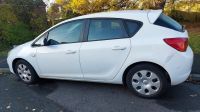
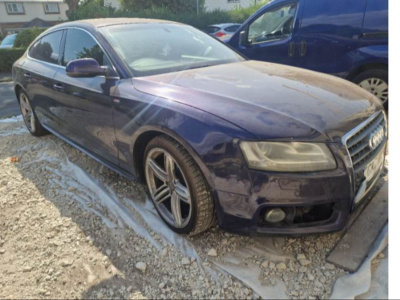
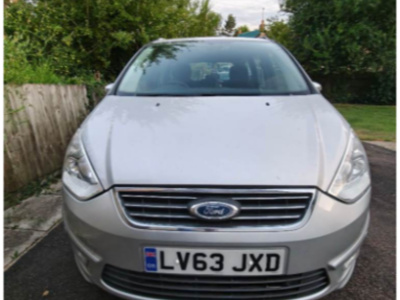
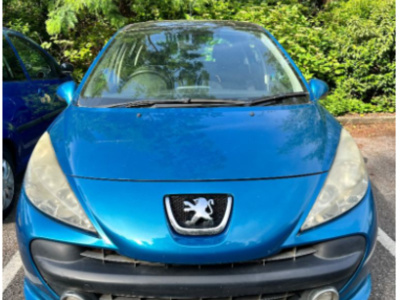
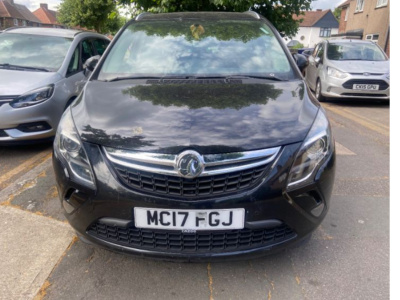
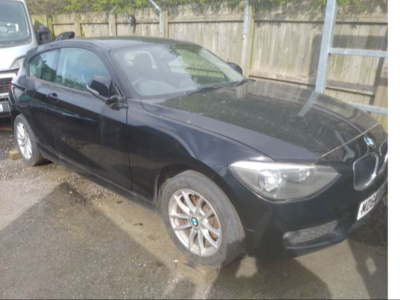
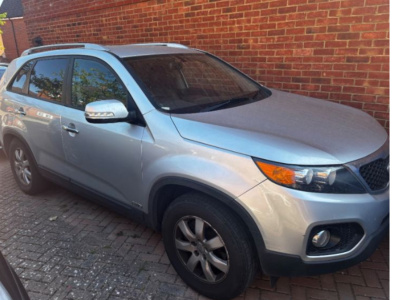
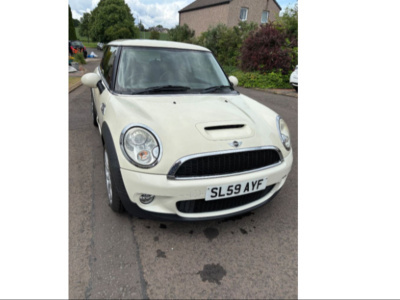
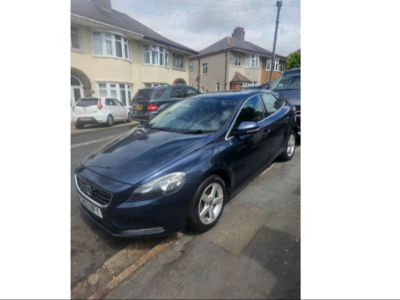
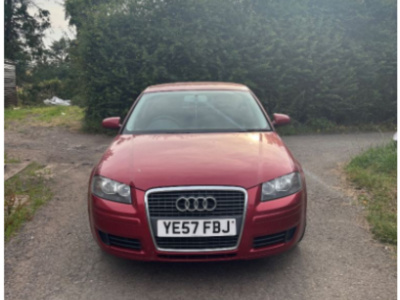
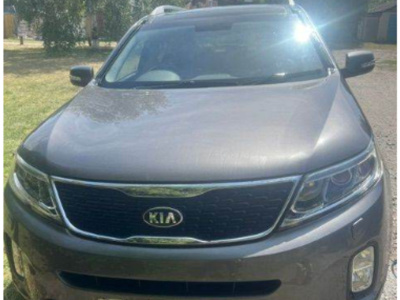
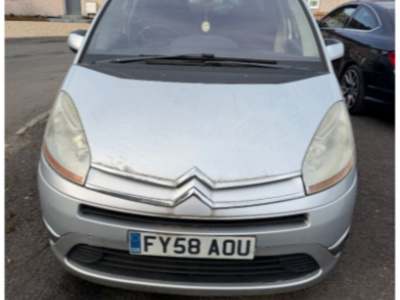
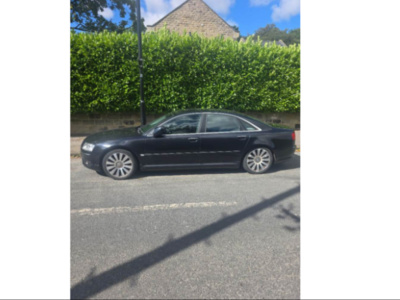
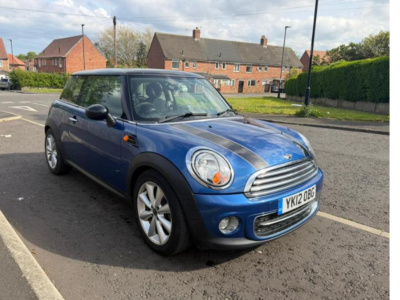
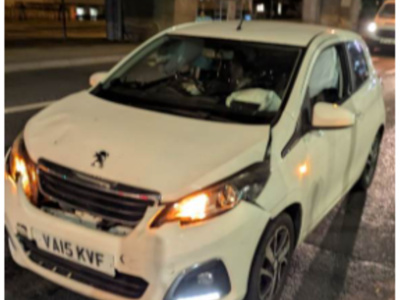
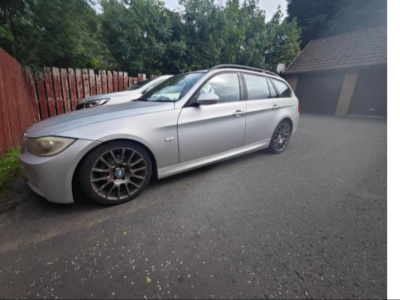
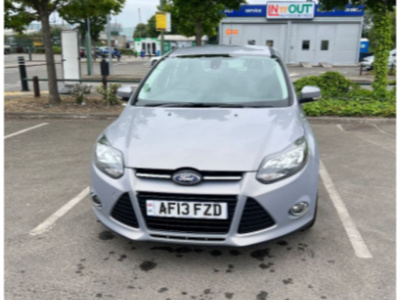
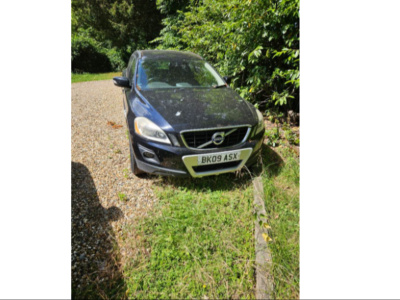
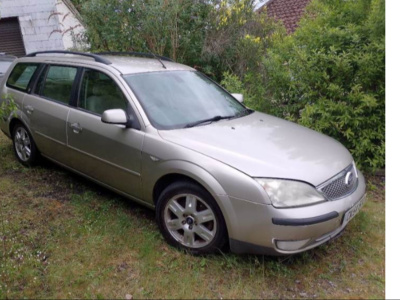
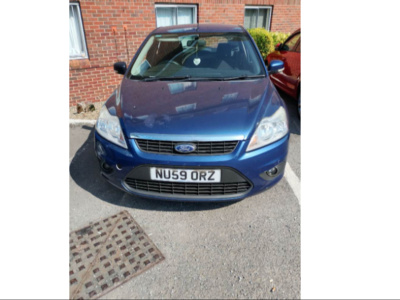
When it comes to selling salvage cars, providing the right information is key to attracting buyers and ensuring a smooth transaction. This guide covers everything you need to include when listing your salvage car for sale on an online platform. Whether you're a private seller or a dealer, these tips will help make your listing informative, transparent, and appealing to potential buyers.
What Are Salvage Cars?
Salvage cars are vehicles that have sustained significant damage due to accidents, natural disasters, or other incidents. These cars have been declared total losses by insurance companies, meaning the cost of repairs exceeds the car’s market value. While they cannot be legally driven on the road without repairs and inspections, salvage cars can be restored or sold for parts at a reduced price. For buyers, salvage cars present a unique opportunity to acquire vehicles at lower prices. However, they come with the risk of needing repairs or being only useful for parts. Transparency is crucial when listing salvage cars to set proper expectations.
Provide Detailed Vehicle Information
A well-written description is vital when listing salvage cars. Include the following key details:
- Make, Model, and Year: Start by listing the car's essential information, such as its make, model, and year of manufacture.
- Damage Description: Be clear and specific about the type and extent of the damage. For example, if the car was involved in a collision, indicate which parts of the vehicle are damaged.
- Salvage Title Information: Explain whether the car has a salvage title or has been rebuilt and now holds a rebuilt title. This helps buyers understand the car’s legal standing.
- Repair History or Needed Repairs: Include any information about repairs that have already been completed, or outline what still needs to be done for the car to become roadworthy again.
Include High-Quality Photos
Images play a critical role in the selling process. Buyers want to see the car’s condition, both the damage and the parts that are still in good shape. Include photos from multiple angles:
- Front, rear, and sides of the vehicle
- Close-ups of the damaged areas
- Interior shots, including the dashboard and seats
- Any repair work already done
Clear and honest photos help build trust with potential buyers.
Share the Vehicle’s History Report
A vehicle history report adds another layer of transparency. Services like Carfax or AutoCheck can provide buyers with essential details about the car’s past, such as:
- Previous ownership
- Accident history
- Any insurance claims
Offering a link to or summary of the vehicle history can give buyers peace of mind about the purchase and make your listing more appealing.
Highlight Seller Details
Buyers want to know who they're dealing with, especially when purchasing salvage cars. Include the following information about the seller:
- Contact Information: A phone number, email, or other preferred contact methods.
- Location: Specify where the car is located to help buyers assess logistics.
- Seller Background: If you're a private seller, mention that. If you're a dealership, include a brief description of your business. This can build trust and credibility.
Optional features like seller ratings or reviews can further enhance confidence in your listings.
Set a Clear Asking Price
Price is often the deciding factor for buyers. Make sure your asking price is clear and competitive:
- Asking Price: Display your price prominently so buyers know upfront what to expect.
- Market Comparison: Optionally, include comparisons to similar salvage cars on the market to justify your pricing. This can help potential buyers see the value of your offer.
Clarify Purchase Options: Auction or Direct Buy
Different buyers prefer different purchasing methods. Clearly state how your platform handles transactions:
- Direct Purchase: If your listing allows buyers to purchase the car outright, explain the process.
- Auction: If buyers need to place bids, make sure the auction rules are easy to follow and display the current highest bid prominently.
Knowing how to engage with your listing helps buyers feel more comfortable proceeding.
Enable Bidding or Offer Features
If your platform allows it, let buyers place bids or make offers. Include features like:
- Bidding Options: Display the starting price and current bids, if applicable.
- Offer Submission: Allow buyers to submit their best offer if they aren’t comfortable bidding. Giving buyers flexible options increases engagement and interest in your listing.
Inspection and Test Drive Options
Buyers of salvage cars may want a closer look before committing. Provide options for inspections:
- In-Person Inspection: Offer details on how buyers can inspect the car in person.
- Third-Party Inspection: Mention if buyers can use independent services to inspect the car before purchasing, ensuring they feel secure in their decision.
Include Terms and Conditions
Be upfront about the terms of sale, especially with salvage cars:
- As-Is Condition: Make sure to state that the car is sold “as-is” if no warranty is offered, so buyers know they're responsible for repairs after purchase.
- Warranties: If you offer any warranties, provide details to avoid misunderstandings.
- Legal Information: Clarify any legalities around salvage titles, registration, and roadworthiness.
By including these details, you protect both yourself and the buyer from future disputes.
Listing a salvage car requires transparency and attention to detail. By providing clear information, high-quality photos, and options for inspection, you can attract buyers and build trust in your listings. Following these steps ensures your salvage car listing stands out and helps buyers make informed decisions.